


-
appelez nous
+8619906035385 -
Envoyez-nous un email
ping@aotbattery.com
appelez nous
+8619906035385Envoyez-nous un email
ping@aotbattery.com
Depuis son isolement en 2004, le graphène – une monocouche d'atomes de carbone agencés en un réseau hexagonal – a révolutionné la science des matériaux grâce à ses propriétés extraordinaires : une conductivité électrique exceptionnelle (10⁴–10⁵ S/m, 100 fois supérieure à celle du cuivre), une surface spécifique ultra-élevée (2 630 m²/g), une résistance mécanique supérieure (130 GPa) et une excellente stabilité thermique. Ces atouts en font un matériau révolutionnaire pour la technologie des batteries, permettant de pallier les limitations critiques des batteries lithium-ion (LIB) conventionnelles, telles que leur faible densité énergétique, leur lenteur de charge et leur courte durée de vie. Alors que chercheurs et industriels s'efforcent de développer des systèmes de stockage d'énergie avancés,
graphène
il s'impose comme un composant polyvalent dans les électrodes, les électrolytes et les séparateurs, stimulant les innovations dans les batteries lithium-ion, lithium-soufre (Li-S), à l'état solide et sodium-ion.
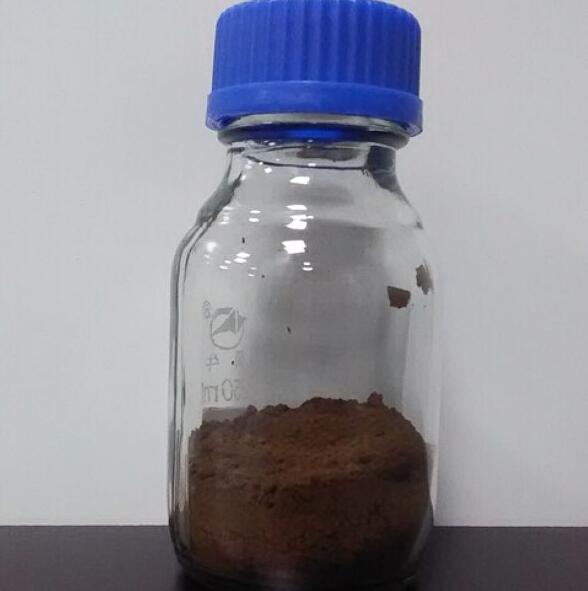
Principales applications du graphène dans les composants de batteries
1. Anodes améliorées au graphène : augmentation de la capacité et de la stabilité
Les anodes conventionnelles des batteries lithium-ion sont composées de graphite, dont la capacité théorique est modeste (372 mAh/g). Le graphène pallie cette limitation en étant utilisé seul comme matériau d'anode ou en formant des composites avec des matériaux à haute capacité comme le silicium (Si), l'étain (Sn) ou le germanium (Ge).
Utilisée seule comme anode, la grande surface spécifique du graphène permet une adsorption et une désorption rapides des ions Li⁺, tandis que sa conductivité élevée assure un transport rapide des électrons. Des tests en laboratoire montrent que les anodes en graphène pur peuvent atteindre des capacités de 1000 à 1500 mAh/g, soit près de quatre fois supérieures à celles du graphite. Cependant, les feuilles de graphène ont tendance à s'agréger sous l'effet des forces de van der Waals, ce qui réduit leur surface effective. Pour pallier ce problème, les chercheurs élaborent des aérogels ou des mousses de graphène 3D, qui préservent la porosité et améliorent la diffusion des ions.
Les composites de graphène et de silicium – l'un des matériaux d'anode haute capacité les plus prometteurs (capacité théorique de 4 200 mAh/g) – présentent un potentiel particulièrement important. Le silicium subit une expansion volumique de 300 % lors de la lithiation, ce qui entraîne la fissuration des électrodes et une perte de capacité. Le graphène agit comme une structure flexible et conductrice qui amortit les variations de volume et empêche l'agrégation des particules. Une étude de 2024 publiée dans Advanced Materials a démontré qu'une anode composite graphène-silicium conservait 85 % de sa capacité initiale après 1 000 cycles de charge-décharge, contre 40 % pour le silicium pur. Ce composite est actuellement testé dans les batteries de véhicules électriques, avec pour objectif des densités énergétiques de 400 Wh/kg (contre 250 à 300 Wh/kg pour les batteries lithium-ion conventionnelles).
2. Cathodes modifiées au graphène : accélération du transport ionique
Les cathodes constituent souvent le facteur limitant la densité énergétique des batteries, car les matériaux conventionnels comme
NMC
Les cathodes à base d'oxyde de lithium-nickel-manganèse-cobalt (LNPCO) ou de phosphate de lithium-fer (LFP) souffrent d'une diffusion ionique lente et d'une faible conductivité électrique. Le graphène améliore les performances de ces cathodes en agissant comme additif ou revêtement conducteur.
L'ajout de 1 à 5 % en poids de graphène aux cathodes NMC améliore la conductivité électrique de deux à trois ordres de grandeur, réduisant la résistance interne et permettant une charge plus rapide. Pour les cathodes LFP, dont la conductivité intrinsèque est faible (environ 10⁻¹⁰ S/cm), les revêtements de graphène créent un réseau conducteur continu, accélérant la migration des ions Li⁺. Des chercheurs du MIT ont constaté que les cathodes LFP revêtues de graphène permettaient aux batteries de se charger à 80 % de leur capacité en 15 minutes, tout en conservant 92 % de leur capacité après 2 000 cycles – un atout essentiel pour les véhicules électriques et les appareils électroniques grand public nécessitant une charge rapide.
Dans les batteries Li-S, les cathodes à base de graphène résolvent le problème de la migration des polysulfures. Les cathodes de soufre présentent une densité énergétique théorique de 2 600 Wh/kg, mais souffrent de la présence d'intermédiaires polysulfures solubles qui migrent vers l'anode, entraînant une perte de capacité. La grande surface spécifique du graphène et son affinité chimique pour le soufre permettent de piéger les polysulfures, tandis que sa conductivité améliore le transfert d'électrons. Les cathodes composites graphène-soufre ont atteint des capacités de 1 200 à 1 500 mAh/g et une stabilité de plus de 500 cycles, faisant des batteries Li-S une alternative viable aux batteries lithium-ion.
3.
Le graphène dans les électrolytes et les séparateurs : amélioration de la sécurité et des performances
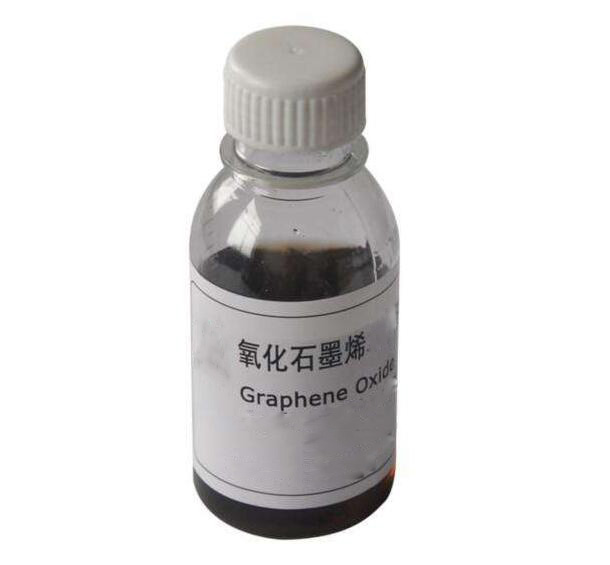
Le graphène améliore également les électrolytes et les séparateurs des batteries, composants essentiels pour la sécurité et le transport des ions. Dans les électrolytes liquides, l'ajout de nanoparticules d'oxyde de graphène (GO) ou d'oxyde de graphène réduit (rGO) accroît la conductivité ionique jusqu'à 40 % et réduit l'inflammabilité. Les groupes fonctionnels oxygénés du GO interagissent avec les ions Li⁺, formant une structure de solvatation stable qui accélère la mobilité ionique. Pour les batteries à l'état solide (BES), les électrolytes solides à base de graphène (par exemple, les composites graphène-polymère ou les électrolytes céramiques dopés au graphène) améliorent le contact interfacial entre les électrodes et l'électrolyte, réduisant la résistance et permettant des densités de courant plus élevées.
Les séparateurs modifiés au graphène – des membranes poreuses qui empêchent les courts-circuits – offrent un double avantage : une résistance mécanique accrue et un transport ionique amélioré. Le revêtement de séparateurs en polyéthylène (PE) ou en polypropylène (PP) avec du graphène augmente leur résistance à la traction de 30 à 50 %, évitant ainsi les déchirures lors des cycles de charge/décharge. De plus, la conductivité du graphène réduit la résistance du séparateur, tandis que son hydrophobie repousse l’électrolyte liquide, minimisant les risques de fuite. Dans les batteries haute tension (4,5 V et plus), les séparateurs revêtus de graphène limitent l’oxydation de l’électrolyte, prolongeant ainsi la durée de vie de la batterie.
Défis techniques et orientations d'innovation
Malgré son potentiel, l'adoption généralisée du graphène dans les batteries se heurte à des défis majeurs :
Coût et mise à l'échelle : La production de graphène de haute qualité (par exemple, par dépôt chimique en phase vapeur, CVD) demeure onéreuse, ce qui limite les applications à l'échelle industrielle. Cependant, des méthodes à faible coût, comme l'exfoliation en phase liquide du graphite, progressent et ont permis de réduire les coûts de production de 60 % au cours des cinq dernières années.
Problèmes de dispersion : les feuilles de graphène ont tendance à s’agréger dans les composites, ce qui réduit leur surface spécifique. Les chercheurs utilisent des tensioactifs, la fonctionnalisation (par exemple, par des groupes amine ou carboxyle) ou des techniques de croissance in situ pour améliorer la dispersion.
Compatibilité d'interface : La surface inerte du graphène peut entraver l'adhérence aux matériaux actifs ou aux électrolytes. La modification de surface par des polymères ou des oxydes métalliques renforce l'adhérence interfaciale et améliore la stabilité cyclique.
Des innovations récentes permettent de surmonter ces obstacles :
Graphène dopé : Le graphène dopé à l’azote, au bore ou au phosphore introduit des sites actifs pour l’adsorption d’ions, ce qui augmente encore sa capacité et sa conductivité. Des anodes en graphène dopé à l’azote ont atteint des capacités de 1 800 mAh/g lors de tests en laboratoire.
Points quantiques de graphène (GQDs) : De minuscules fragments de graphène (5 à 10 nm) avec des effets de confinement quantique améliorent la conductivité de l'électrolyte et réduisent la croissance des dendrites dans les batteries au lithium métal.
Production à l'échelle industrielle : des entreprises comme Nantero et Graphenea augmentent la production de graphène CVD, permettant ainsi aux fabricants de batteries de produire des quantités importantes.
Perspectives d'avenir : des batteries alimentées au graphène pour un avenir durable
Le rôle du graphène dans les batteries va s'accroître avec la demande croissante en solutions de stockage d'énergie sûres, à haute densité énergétique et à charge rapide. Principales tendances :
Le graphène dans les batteries à l'état solide : les électrolytes solides dopés au graphène permettront de réaliser des batteries à l'état solide avec une densité énergétique supérieure à 500 Wh/kg, essentielle pour les véhicules électriques à grande autonomie et le stockage sur réseau.
Batteries sodium-ion et potassium-ion : les composites de graphène remplaceront les anodes en graphite dans les batteries à ions métalliques abondantes et peu coûteuses, destinées aux applications de stockage d’énergie stationnaire.
Batteries flexibles et portables : la flexibilité mécanique et la conductivité du graphène en font un matériau idéal pour les batteries flexibles, alimentant les textiles intelligents, les appareils pliables et les dispositifs médicaux portables.
À mesure que la recherche progresse, le graphène n'est plus seulement un « matériau miracle » : il devient un composant essentiel des batteries de nouvelle génération. En s'attaquant aux problèmes de coût, de dispersion et d'interface, le graphène jouera un rôle déterminant dans l'accélération de la transition vers l'électrification, permettant ainsi des véhicules électriques à plus grande autonomie, des appareils électroniques grand public à charge plus rapide et des systèmes de stockage d'énergie sur réseau favorisant l'intégration des énergies renouvelables. L'avenir du stockage d'énergie ne repose pas uniquement sur le lithium-ion ; il est optimisé par le graphène.

tel/Whatsapp: +8619906035385


 IPv6 network supported
Scan to wechat: