


-
appelez nous
+8619906035385 -
Envoyez-nous un email
ping@aotbattery.com
appelez nous
+8619906035385Envoyez-nous un email
ping@aotbattery.com
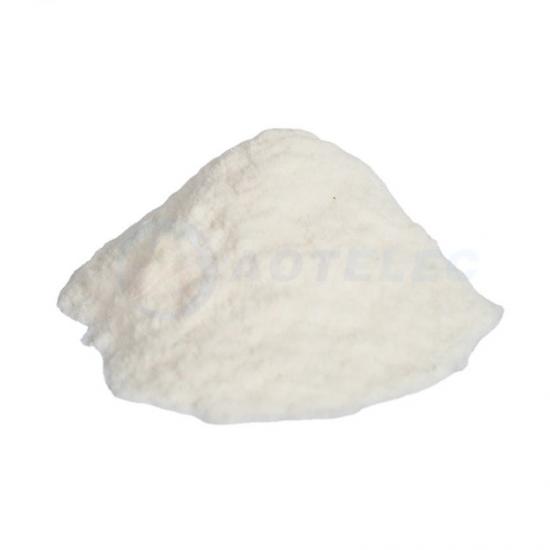
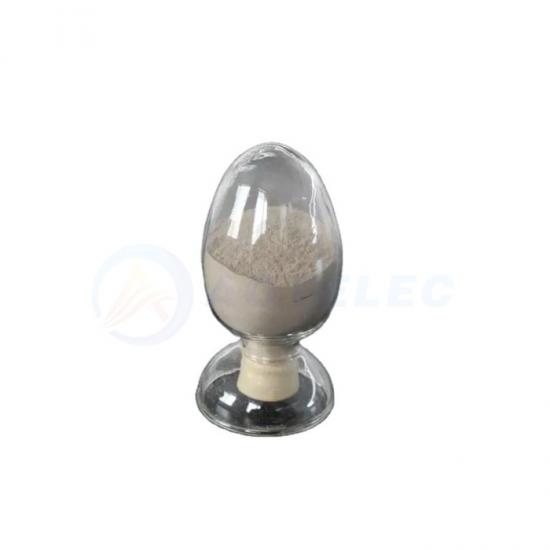
À mesure que les batteries au lithium à énergie nouvelle évoluent rapidement vers une densité énergétique plus élevée, une sécurité accrue et une durée de vie prolongée, les inconvénients des électrolytes liquides traditionnels — tels que les fuites, l'inflammabilité et les mauvaises performances à basse température — deviennent de plus en plus évidents.Poudres d'électrolyte à l'état solideLes poudres d'électrolyte solide sont ainsi devenues un matériau essentiel à l'industrialisation des batteries à l'état solide. En tant que substrat conducteur central de ces batteries, leur conductivité ionique, leur stabilité et la pureté granulométrique des particules déterminent directement l'autonomie, le niveau de sécurité et l'adéquation aux applications de la batterie.
1. Principaux scénarios d'application : Adapté à toutes les conditions : Stockage d'énergie nouvelle et batteries de puissance
Contrairement aux poudres chimiques classiques qui ne répondent qu'aux exigences de base des tests de laboratoire, les poudres d'électrolyte solide de haute pureté sont conçues pour permettre une production de masse industrielle dans des conditions de fonctionnement extrêmes, surmontant ainsi les limitations des procédés traditionnels.matériaux pour batteries au lithiumet couvrant trois domaines clés : les batteries de puissance, les systèmes de stockage d’énergie et les alimentations électriques spécialisées.
Dans le contexte des batteries embarquées pour véhicules à énergies nouvelles, ces dernières doivent résister à des conditions extrêmes : températures pouvant atteindre -40 °C, exposition prolongée à une chaleur de 60 °C, vibrations continues et cycles de charge/décharge rapides et soutenus. Les électrolytes liquides conventionnels souffrent souvent de décomposition du solvant et d’une forte augmentation de leur résistance interne après 48 heures de fonctionnement continu à haute température, tandis que leur conductivité ionique chute de plus de 60 % à basse température, ce qui réduit l’autonomie et provoque un gonflement de la batterie. À l’inverse, les poudres d’électrolyte solide de haute qualité fonctionnent de manière stable sur une large plage de températures, de -45 °C à 85 °C. Après 1 000 cycles de charge/décharge consécutifs, le taux de rétention de capacité de la batterie reste supérieur à 92 %, éliminant ainsi les risques de fuite d’électrolyte, d’incendie ou de combustion. Ces caractéristiques les rendent idéales pour la production en série et l’installation dans les véhicules particuliers, les véhicules utilitaires et les véhicules de travaux publics à énergies nouvelles.
Dans les grandes installations de stockage d'énergie, les systèmes de stockage industriels et de réseau nécessitent un fonctionnement continu 24h/24 et 7j/7, toute l'année, ce qui impose des exigences extrêmement élevées en matière de durabilité et de stabilité des matériaux. Les poudres d'électrolyte solide conventionnelles, de pureté insuffisante, ont tendance à subir une dégradation de leur conductivité ionique et une pulvérisation au fil du temps, ce qui augmente considérablement les coûts de maintenance. Notre poudre d'électrolyte solide est purifiée par frittage à haute température, ce qui lui permet de fonctionner de manière stable pendant 3 000 heures dans des conditions extrêmes (70 °C et 90 % d'humidité). La fluctuation de la conductivité ionique est maîtrisée à ±0,02 mS/cm, sans aucun signe de pulvérisation ni de dégradation, répondant ainsi aux exigences de fonctionnement stable et à long terme des grands systèmes de stockage d'énergie pendant plus de 15 ans.
De plus, ce produit convient parfaitement aux applications de précision telles que les dispositifs de stockage d'énergie spécialisés, les sources d'alimentation pour drones et les équipements de stockage d'énergie médicaux portables. Grâce à sa grande pureté, sa faible teneur en impuretés et son exceptionnelle stabilité, il résout efficacement les problèmes rencontrés dans l'industrie avec les batteries de précision, notamment les fuites, l'instabilité de la plage de fonctionnement et la courte durée de vie.
2. Analyse comparative des matériaux : poudre d’électrolyte solide vs. électrolytes traditionnels / matériaux solides ordinaires
Lors de l'achat de matériaux de base pour batteries à l'état solide, les clients comparent souvent les performances globales des électrolytes liquides, des poudres d'électrolyte à l'état solide standard et des poudres d'électrolyte à l'état solide modifiées haut de gamme. Grâce à des données de tests opérationnels réels, nous démontrons clairement les principaux avantages des matériaux de qualité supérieure, permettant ainsi aux clients de distinguer avec précision les fournisseurs de haute qualité des produits de qualité inférieure.
(1) Poudre d'électrolyte solide vs. électrolyte liquide traditionnel
En matière de sécurité, les électrolytes liquides traditionnels sont composés de solvants organiques inflammables, ce qui les rend très susceptibles de s'enflammer ou d'exploser lors de la charge de la batterie.La perforation, la compression ou la surchauffe sont les principales causes d'incidents liés à la sécurité des batteries au lithium. À l'inverse, les poudres d'électrolyte solide sont composées de matériaux céramiques inorganiques, ininflammables, non volatils et d'une stabilité physique extrême. Même endommagées, les cellules de la batterie continuent de fonctionner en toute sécurité. Côté performances, les batteries à électrolyte liquide subissent une dégradation rapide de leur capacité à haute température et ne sont pas compatibles avec les systèmes haute tension. Les poudres d'électrolyte solide, quant à elles, sont compatibles avec les cellules haute tension de 4,8 V, ce qui augmente la densité énergétique de la batterie de plus de 30 %. En termes de durée de vie, les batteries à électrolyte liquide durent généralement moins de 800 cycles, tandis que celles utilisant des poudres d'électrolyte solide de haute qualité peuvent atteindre plus de 2 000 cycles.
(2) Poudre modifiée de haute pureté vs. poudre d'électrolyte solide ordinaire
Actuellement, les poudres d'électrolyte solide ordinaires et bon marché disponibles sur le marché présentent souvent des défauts tels qu'une granulométrie irrégulière, une forte teneur en impuretés et une faible conductivité ionique. Les produits courants affichent généralement des taux d'impuretés supérieurs à 0,5 %, ce qui entraîne une forte polarisation des cellules et une conduction ionique entravée lors d'une utilisation prolongée, et par conséquent une dégradation des performances de la batterie. À l'inverse, une poudre d'électrolyte solide modifiée de haute qualité se caractérise par une teneur en impuretés ≤ 0,01 %, un taux de réussite de 99,5 % pour l'uniformité de la granulométrie et une conductivité ionique largement supérieure aux normes industrielles. De plus, les poudres de qualité inférieure sont sensibles à l'absorption d'humidité et à l'oxydation, leur durée de conservation étant limitée à trois mois. Notre produit, quant à lui, bénéficie d'un traitement de modification de surface permettant un stockage sous atmosphère protectrice jusqu'à 24 mois, réduisant ainsi considérablement les coûts liés aux pertes en entrepôt pour les fabricants.
3. Explication des problèmes courants
(1) Pourquoi la capacité de la batterie se dégrade-t-elle rapidement lorsqu'on utilise certaines poudres d'électrolyte à l'état solide ?
Les principales causes résident dans trois aspects : premièrement, une pureté insuffisante du produit – les impuretés résiduelles entravent la conduction des ions lithium, augmentant la résistance interne de la cellule lors des cycles de charge-décharge prolongés ; deuxièmement, une distribution granulométrique non uniforme entraîne une densité de compactage inadéquate et un mauvais contact interfacial au sein de la cellule ; troisièmement, une faible stabilité thermique provoque un effondrement structurel sous des températures extrêmes. Les poudres de haute qualité remédient à ces causes profondes grâce à une formulation précise et à des procédés de purification à haute température, prévenant ainsi efficacement la perte de capacité et garantissant une performance stable de la batterie sur le long terme.
(2) Que faut-il prendre en considération concernant le stockage et l’alimentation des poudres d’électrolytes à l’état solide ?
Ce matériau est hygroscopique et sensible à l'humidité ; il doit donc être stocké dans un environnement sec, frais et bien ventilé, sous un contrôle strict de l'humidité (inférieure à 60 %). Aucun prétraitement supplémentaire n'est requis avant son utilisation en production : notre poudre est directement compatible avec les équipements de mélange entièrement automatisés pour batteries au lithium, offrant une compatibilité optimale sans nécessiter de modifications de la ligne de production, ce qui réduit considérablement les coûts d'adaptation pour la production en série.
Avec l'accélération de l'industrialisation des batteries à l'état solide, la qualité des poudres d'électrolyte solide détermine directement la sécurité, l'autonomie et la durée de vie des batteries. Comparées aux électrolytes liquides classiques et aux poudres à l'état solide de qualité inférieure, les poudres d'électrolyte solide modifiées de haute pureté offrent des performances supérieures sur une large plage de températures, une sécurité exceptionnelle et une durée de vie prolongée, ce qui les rend idéales pour diverses applications, notamment les systèmes d'alimentation automobile, le stockage d'énergie à grande échelle et les alimentations de précision spécialisées. Lors du choix des fournisseurs, les entreprises ne doivent pas se focaliser uniquement sur le prix, mais évaluer soigneusement la pureté des matériaux, la conductivité ionique, la stabilité opérationnelle et les certifications d'exportation complètes. Choisir un fournisseur fiable, doté de capacités de production évolutives et de données concrètes et fiables, garantit une qualité de produit constante et une forte compétitivité sur le marché.
FAQ
Q1 : Combien de temps faut-il pour préparer mes marchandises ?
A: 3 à 5 jours pour les matériaux des batteries. 5 à 25 jours pour l'équipement (selon le modèle et les quantités).
Q2 : Pouvons-nous faire imprimer notre logo ou le nom de notre entreprise sur les produits ou l'emballage ?
A : Bien sûr. Votre logo peut être imprimé sur vos produits par marquage à chaud, impression, gaufrage, vernis UV, sérigraphie ou étiquette. Afin de mieux explorer le marché et d'offrir des services plus pratiques à nos clients internationaux, nous invitons sincèrement les agents à l'étranger à bâtir ensemble un avenir prometteur.
Q3 : Comment puis-je installer et utiliser la machine moi-même ?
A : Notre système de R&D est basé sur une approche de développement intégré. À la réception de la machine, il vous suffit de la brancher à l'alimentation électrique pour qu'elle fonctionne. Le logiciel en anglais est préinstallé. Vous n'aurez qu'à vous familiariser avec son utilisation. Le manuel d'utilisation complet en anglais vous sera fourni avec la machine.

tel/Whatsapp: +8619906035385


 IPv6 network supported
Scan to wechat: