


-
appelez nous
+8619906035385 -
Envoyez-nous un email
ping@aotbattery.com
appelez nous
+8619906035385Envoyez-nous un email
ping@aotbattery.com
1. La fonction principale et l'impact sur les applications industrielles de testeurs de batterie
(1) La fonction principale des testeurs de batterie
La fonction principale de base d'un testeur de batterie est d'effectuer une détection quantitative multidimensionnelle de diverses cellules de batterie et modules de batterie grâce à des méthodes de détection de niveau industriel précises et contrôlables. L'équipement peut effectuer indépendamment des charges et décharges à courant constant et à tension constante, des tests de vieillissement multi-cycles, une détection de résistance interne statique et dynamique, une collecte de tension et de différence de pression, un étalonnage de capacité et une surveillance de l'élévation de température. Il prend également en charge des conditions de simulation personnalisées de haute et basse température, de fluctuation de charge, de démarrage-arrêt fréquent, etc. L'ensemble du processus collecte et stocke automatiquement les données de test et génère des rapports d'inspection de qualité standardisés. Il distingue avec précision les bons produits, les produits défectueux et les batteries présentant une dégradation des performances, fournissant une base de données précise pour la recherche et le développement de batteries, le tri sur ligne de production et le dépannage opérationnel. C'est l'outil essentiel pour le contrôle qualité des produits de batterie.
(2) L'impact réel de l'application des testeurs de batterie
Sur la base des fonctions principales ci-dessus, les testeurs de batterie professionnels auront des impacts positifs clés sur la production et l'exploitation de l'entreprise, ainsi que sur les systèmes de qualité et de sécurité des produits. Côté production, ils permettent d'éliminer les cellules de batterie défectueuses cachées à la source, d'améliorer considérablement la cohérence des lots de batteries et de réduire efficacement les taux de retouche des produits et les défauts d'usine ; côté sécurité, ils permettent d'éliminer les batteries présentant une résistance interne excessivement élevée, une dégradation anormale de la capacité et des températures élevées instables, prévenant ainsi le gonflement des batteries, les courts-circuits et les accidents d'emballement thermique, et évitant les risques de sécurité liés à la production et à l'utilisation finale ; côté commercial, les données de test standardisées peuvent correspondre aux normes de certification internationales, répondre aux exigences d'inspection de qualité des clients étrangers et améliorer les taux de réussite des commandes ; dans le même temps, les tests automatisés remplacent la détection manuelle extensive, éliminent les erreurs humaines, raccourcissent le cycle de test R&D et le temps d'inspection de qualité de la ligne de production, et aident les entreprises à réduire les coûts de compensation après-vente, de matériaux de retouche et de main-d'œuvre à long terme, améliorant ainsi la réputation de la marque et la compétitivité sur le marché.
2. Tests en conditions réelles sur tous les scénarios : reconstruction des environnements d'utilisation réels, données précises et contrôlables
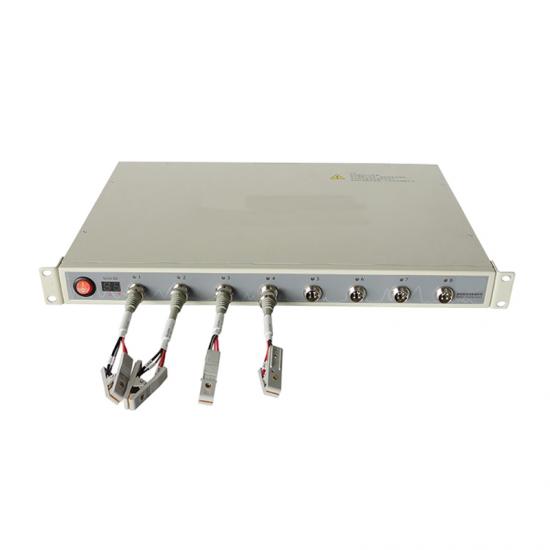
Les équipements de test de batterie ordinaires sur le marché ne peuvent effectuer que des tests de tension statique et de capacité de base, et les données ne peuvent servir que de référence préliminaire. Ils ne peuvent pas s'adapter aux tests de performance des batteries dans des conditions complexes. Les testeurs de batterie professionnels peuvent simuler des scénarios d'utilisation réels dans diverses industries et effectuer des tests à long terme, à haute charge et dans des conditions alternées de haute et basse température. Ils produisent des données de test précises et traçables, éliminant le problème majeur de l'industrie : « test statique réussi, mais échec en utilisation dynamique ».
Dans le contexte des lignes de production de batteries à énergie nouvelle, l'équipement peut réaliser des tests de cycle de charge et de décharge continus et ininterrompus de 72 heures, dans des conditions simulées allant de -20°C à 60°C. Il capture avec précision les données essentielles telles que la dégradation de la capacité de la batterie, les fluctuations de la résistance interne et la dérive de tension. La précision de la détection de tension peut atteindre ±0,005V, et l'erreur de test de résistance interne est contrôlée dans une limite de ±0,1mΩ. Il élimine efficacement les cellules de batterie et les modules de batterie non qualifiés présentant une faible cohérence de lot et une dégradation rapide des performances, réduisant considérablement le taux de défauts en usine.
Dans le contexte de l'exploitation des véhicules à énergie nouvelle, pour les batteries au plomb 12V des véhicules et les blocs-batteries de puissance 48V, l'équipement peut simuler des conditions de fonctionnement réelles telles que le démarrage à froid, la conduite à grande vitesse et la consommation d'énergie au ralenti. Il détecte avec précision le courant de démarrage à froid CCA et la stabilité de décharge dynamique, identifiant rapidement les défauts cachés tels que « tension normale à vide, coupure de courant soudaine sous charge », résolvant des problèmes tels que les difficultés de démarrage du véhicule et la perte de puissance pendant la conduite.
Dans les scénarios d'exploitation et de maintenance des stations de stockage d'énergie, face aux modes de fonctionnement de décharge connectée au réseau à long terme et de charge et décharge intermittentes, le testeur de batterie peut surveiller la différence de pression des cellules individuelles, le degré d'appariement de la capacité et les données d'élévation de température du bloc-batterie tout au long de la journée, localiser avec précision les batteries défectueuses, éviter les risques de sécurité causés par la défaillance d'une seule batterie entraînant la paralysie de l'ensemble du bloc-batterie et l'arrêt de la centrale électrique, et assurer le fonctionnement stable à long terme du système de stockage d'énergie.
3. Analyse comparative professionnelle : les différences fondamentales entre les testeurs de batterie de haute qualité et les détecteurs ordinaires
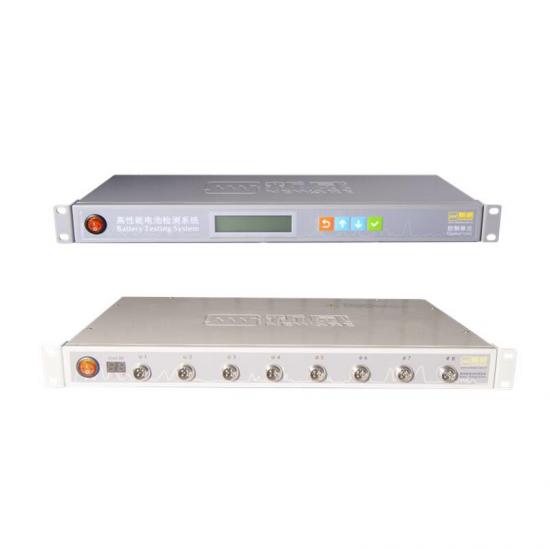
La plupart des clients ont du mal à distinguer les différences entre les détecteurs de batterie ordinaires et les testeurs de batterie professionnels lors de leur sélection, ce qui entraîne l'incapacité de répondre aux normes de production et de test après l'achat. Ce qui suit compare clairement les différences entre les deux selon quatre dimensions : performance de base, scénarios applicables, précision des données et durée de vie, pour aider les entreprises à faire des sélections précises et à éviter les pièges lors de l'achat.
Premièrement, il existe des différences dans la précision de la détection et les dimensions des données. Les détecteurs ordinaires ne prennent en charge que la détection de base de la tension statique et de la capacité nominale, et ne peuvent pas tester les paramètres essentiels tels que la résistance interne, la décharge dynamique et la dégradation cyclique. L'erreur de données se situe généralement entre 5 % et 8 %, et ils ne conviennent qu'à une détection simple et individuelle. En revanche, les testeurs de batterie professionnels adoptent une méthode de mesure CA à quatre niveaux, qui peut détecter simultanément la tension, la résistance interne, la capacité réelle, l'efficacité de charge et de décharge, le coefficient de température et la durée de vie cyclique, avec une erreur de données inférieure à 0,5 %. Les données de détection peuvent être connectées aux normes d'inspection de qualité de l'industrie et peuvent être utilisées pour les rapports d'usine des produits et les dépôts de tests tiers.
Deuxièmement, il existe des différences dans l'adaptabilité aux conditions de travail. L'équipement ordinaire n'a aucune fonction de simulation des conditions de travail et ne peut être testé que dans un environnement à température constante et statique, incapable de s'adapter aux scénarios industriels à haute température, à haute charge et à cycle continu. Les testeurs de batterie professionnels peuvent personnaliser le courant de charge et de décharge, la plage de tension et les temps de cycle, simuler des températures extrêmes, des démarrages et arrêts fréquents, et d'autres conditions de travail complexes, répondant pleinement aux exigences strictes de la production industrielle, de l'exploitation des constructeurs automobiles et des tests de stockage d'énergie.
Enfin, il existe des différences de stabilité et de rapport coût-efficacité. Les détecteurs ordinaires sont sujets à la dérive des données et au gel de l'équipement après 8 heures de fonctionnement continu, avec une durée de vie allant généralement de 1 à 2 ans, et ne conviennent qu'aux scénarios d'utilisation à basse fréquence. Les testeurs de batterie de qualité industrielle de haute qualité prennent en charge un fonctionnement stable continu 7×24 heures sur 24, possèdent une résistance aux interférences et à la dérive thermique dans le corps, une durée de vie allant jusqu'à 8 ans ou plus, et prennent en charge la détection synchrone multicanal. Un seul test peut effectuer 8 à 32 séries de tests de batterie, améliorant considérablement l'efficacité de détection des entreprises, et le rapport coût-efficacité à long terme est bien supérieur à celui de l'équipement ordinaire.
4. FAQ
(1) Pourquoi les batteries ont-elles tendance à être endommagées pendant l'utilisation même après avoir passé l'inspection ?
La raison principale est la méthode d'inspection non professionnelle. L'équipement ordinaire ne réalise que des inspections statiques et ne peut pas simuler les charges dynamiques, les températures élevées et basses, ainsi que les conditions de charge et de décharge cycliques, et ne peut pas non plus détecter les défauts cachés des batteries. Lors d'une utilisation réelle, les batteries sont confrontées à des fluctuations de charge, des changements de température et des opérations de démarrage-arrêt fréquentes. Ce n'est qu'en simulant les conditions de travail que nous pouvons détecter et éliminer à l'avance les batteries de qualité inférieure présentant une dégradation rapide et une résistance interne instable.
(2) Le testeur de batterie peut-il tester différents types de batteries simultanément ?
L'équipement professionnel de qualité industrielle prend en charge la détection de tous les types de batteries, y compris les batteries au lithium 3,7V, les batteries au plomb 12V/24V, les modules de batterie de puissance, les blocs de batterie de stockage d'énergie, les piles boutons, les batteries cylindriques, etc. Il peut basculer librement entre les paramètres de tension et de courant et répond aux exigences de détection générales de multiples secteurs tels que l'électronique, l'automobile et le stockage d'énergie.
(3) Quelle est l'importance du test de résistance interne de la batterie ?
La résistance interne est l'indicateur clé pour juger du vieillissement et de la dégradation des performances d'une batterie. Une résistance interne excessive provoquera un échauffement important de la batterie, une faible efficacité de décharge, une autonomie réduite et peut même entraîner des risques de gonflement et de court-circuit. Les testeurs de batterie professionnels peuvent détecter avec précision la résistance interne et éliminer rapidement les batteries vieillissantes et les cellules défectueuses, évitant ainsi les risques de sécurité à la source.
(4) Comment le testeur de batterie multicanal améliore-t-il l'efficacité de l'inspection en usine ?
L'équipement monocanal traditionnel ne peut tester qu'un seul groupe de batteries à la fois, ce qui entraîne une efficacité d'inspection de production extrêmement faible. Le modèle multicanal peut effectuer simultanément la charge et la décharge indépendantes, l'enregistrement des données et le tri des performances de plusieurs groupes de batteries, et générer automatiquement des rapports d'inspection, sans nécessiter de surveillance manuelle. L'efficacité de l'inspection peut être multipliée par 8 à 30, ce qui convient aux scénarios d'inspection de production de masse.
(5) Comment identifier un fournisseur de testeurs de batterie de haute qualité ?
Le cœur d'un fournisseur de haute qualité repose sur trois aspects : premièrement, la précision de l'équipement et la capacité à simuler les conditions de travail, ce qui permet de fournir des données de test réelles ; deuxièmement, des qualifications complètes, possédant des certifications aux normes de détection de l'industrie ; troisièmement, la prise en charge de paramètres personnalisés, une garantie sur l'ensemble de la machine et des services après-vente à l'étranger, capables de s'adapter aux besoins de détection personnalisés de différentes industries et d'éliminer les risques potentiels liés à un service après-vente d'équipement non qualifié. Comparés aux instruments de test simples ordinaires, les testeurs de batterie professionnels, avec leurs avantages fondamentaux de données de haute précision, de simulation complète des conditions de travail, de haute stabilité et d'adaptabilité multi-scénarios, ont résolu les problèmes de données de détection industrielles inexactes, de défauts cachés manqués et de faible efficacité de production. Que ce soit pour la production de masse dans l'électronique grand public, l'exploitation et la maintenance de véhicules à énergie nouvelle, la détection de systèmes de stockage d'énergie,ou la recherche et l'expérimentation sur les batteries, les testeurs de batterie professionnels peuvent permettre un contrôle multidimensionnel des performances des batteries, aidant ainsi les entreprises à atteindre un développement stable à long terme.

tel/Whatsapp: +8619906035385


 IPv6 network supported
Scan to wechat: